
How to Stop Music Practice Battles at Home
Setting a Schedule that Works for Your Family
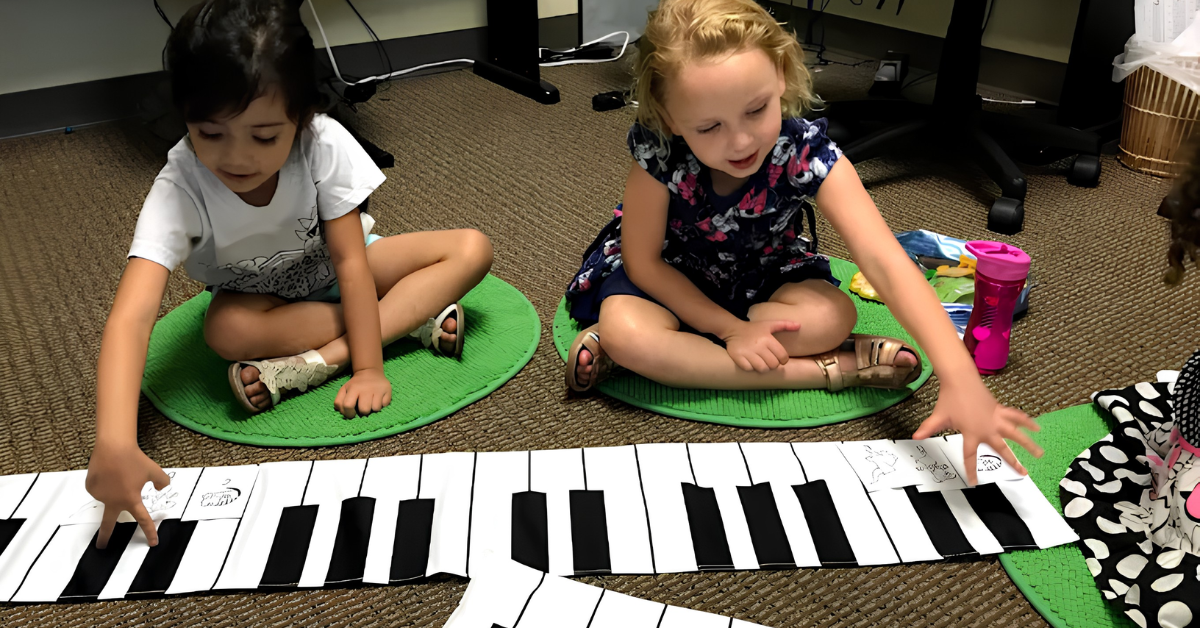
Most kids do best when they know exactly what to expect. Try to pick a time every day that is just for music. This could be right after school, before they get to play video games, or right before dinner. It is better to practice for 10 minutes every single day than to try to practice for an hour once a week. When music becomes a normal part of the daily routine, the "battles" usually stop because it feels like a habit, not a chore. You won't have to nag them as much because they will know it is just time to play.
In our Sacramento community, we know life gets very busy. You might feel like there is no time left between soccer and homework. However, finding that small 10-minute "anchor" can change everything. Think about a time when your child is already focused. Maybe it’s right after they finish their snack. If they go straight to the piano or guitar then, they don't have time to start a new activity and get grumpy about stopping. At Natomas Music Square, we suggest using a visual timer. Kids love seeing the red part of the timer disappear. It shows them that practice has a clear start and a clear end.
Consistency is more important than how long they sit there. If they only have five minutes on a busy Tuesday, let them play their favorite song once. This keeps the habit alive. We want our students to feel that music is a gift, not a heavy weight. When you make the schedule predictable, you take the pressure off yourself as a parent. You stop being the "practice police" and start being the supportive coach.
Focus on Small Wins and Fun Games
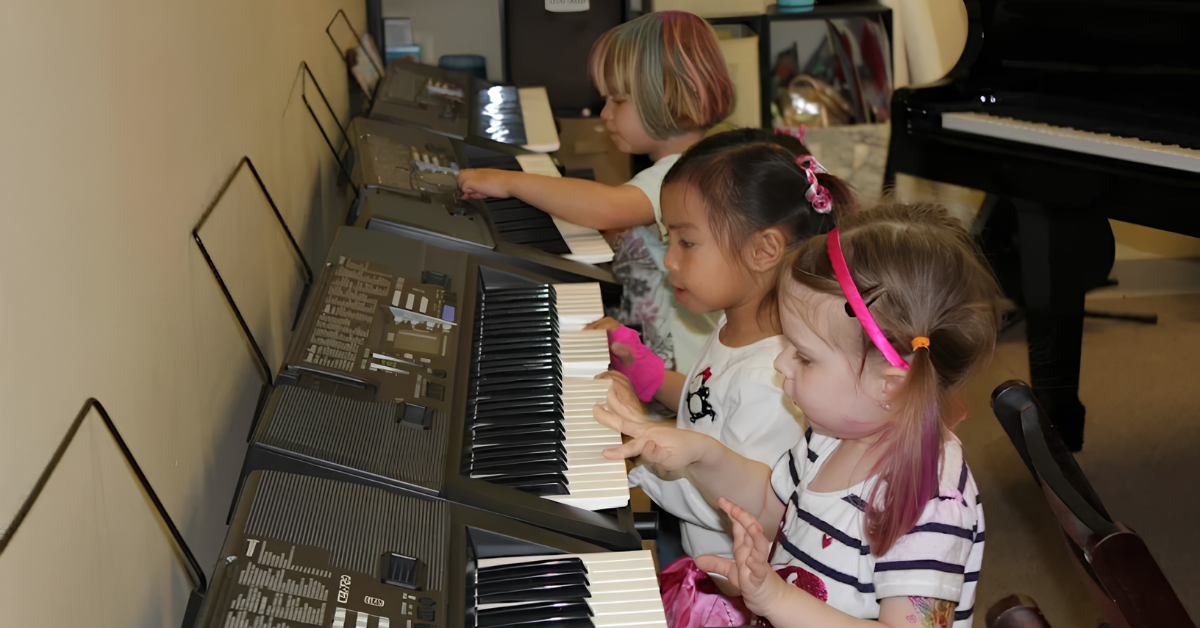
Don't worry about your child playing a whole song perfectly from start to finish every time. Instead, ask them to show you just one line or one tricky part they learned at our Natomas studio. You can even turn it into a game. Ask them to play a specific section three times in a row without a mistake to earn a small reward. This builds focus without causing stress. Giving them a high-five or a sticker for finishing a hard page goes a long way in keeping them motivated.
Another fun trick is to have "stuffed animal concerts." Ask your child to line up their favorite toys and play a "show" for them. This helps them practice performing in a way that feels like play. At Natomas Music Square, we find that celebrating these tiny steps keeps kids coming back to their instrument. We often see that when a child masters just two bars of music, their confidence zooms up. They realize that they can do hard things if they break them down.
You can also use a "practice jar." Fill a jar with small slips of paper that have fun tasks on them. One might say "play your song while standing on one foot" or "play your song as slow as a turtle." This adds laughter to the practice room. When kids are laughing, they aren't fighting. They are learning to love the process of making music. We want every Sacramento family to see these moments of joy. These small wins eventually turn into big skills that last a lifetime.
Creating a Happy and Welcoming Music Space
Make sure the instrument is in a place where the child feels like part of the family. If the piano or guitar is in a cold, dark room away from everyone, they probably won't want to go there. Put it in a bright spot where they can still see and hear you. This makes music feel like a social activity rather than a lonely task. Make sure they have a good chair and a bright light so they are comfortable while they play.
Think about the lighting and the temperature of the room. A cozy space makes a big difference. You might even put some of their artwork or a photo of them at a Natomas Music Square event nearby. This reminds them of why they are playing. If the instrument is tucked away in a garage or a basement, it’s out of sight and out of mind. Having it in the living room or a sunny den invites them to sit down and play just for fun, even when it isn’t "practice time."
Keep their music books and accessories organized. Nothing stops a practice session faster than losing a pencil or a page of music. Use a bright folder or a special bin for all their music gear. When everything is ready and waiting for them, it removes the barriers to starting. Our teachers here in North Natomas always say that the hardest part is just sitting down. Once they are at the instrument, the music usually takes over. By creating a warm and inviting space, you are telling your child that their music is important to the whole family. It shows them that you value their hard work and creativity.
Book Your Music Evaluation or $1 Art Class
Visit us at Natomas Music Square to see how we make learning fun for every student. We are here to help your child grow and enjoy their creative journey. Click here to book a music evaluation for your child or sign up for a sign up for a $1 introductory art class today. You can also call us at (916) 419-9511.
